On behalf of the Institute, LJI President and CEO Dr. Erica Ollmann Saphire wishes you a happy holiday season.
We are proud to share with you a handful of the Institute’s many highlights from 2024.
2025 Highlights
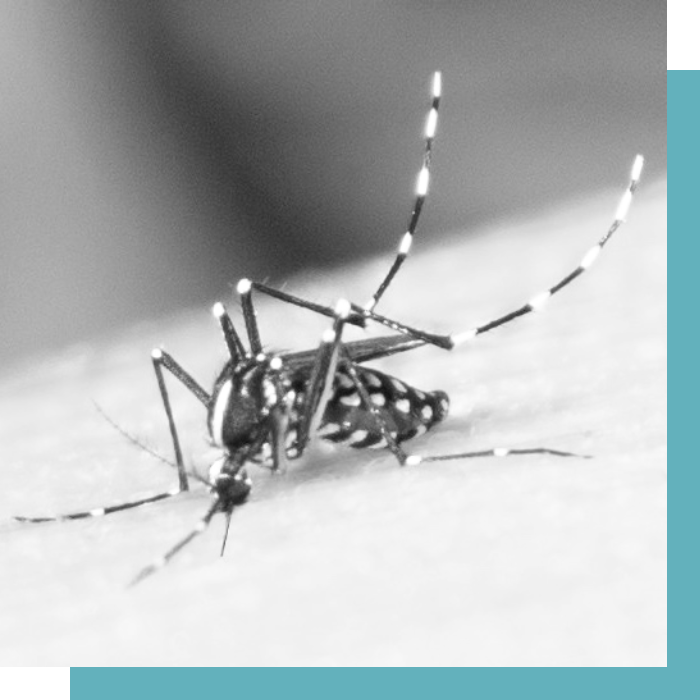
T cells take aim at Chikungunya virus
Scientists at La Jolla Institute for Immunology (LJI) recently published a first look at how human T cells target the mosquito-borne Chikungunya virus. Their findings may shed light on why Chikungunya virus sometimes triggers chronic, debilitating joint pain. “So many people, mostly women, have chronic disease following Chikungunya virus infection,” says LJI Assistant Professor Daniela Weiskopf, Ph.D. “This has an impact on the workforce and impacts the economy. And there’s no treatment.”
Your flu shot’s protectiveness is written in your immune history
LJI Assistant Professor Tal Einav, Ph.D., put a new machine learning model to work to pinpoint key differences between people who are “strong responders” to annual flu vaccines and people who are “weak responders.” His team discovered that a person’s past vaccine response—not age, sex, or vaccine dose—is the best predictor of future vaccine responses. Einav thinks it may be possible to develop blood tests so clinicians can identify which patients may need a more personalized vaccine approach to jump start their vaccine responses.
Bridging today’s breakthroughs to tomorrow’s cures
LJI’s Bridge Initiative helps keep critical research moving when traditional funding falls short, ensuring promising discoveries aren’t delayed or lost. Through the flexible President’s Priority Fund and the long-term Beacon Fund, the initiative provides both immediate and sustained support for high-impact science—so breakthroughs can continue advancing toward real-world cures.
LJI clinician-scientist Sydney Ramirez, M.D., Ph.D., has been honored as a 2025 STAT Wunderkind, a prestigious award celebrating young scientists making outsized contributions to medicine and research. Ramirez helped publish early insights into how immune cells fight SARS-CoV-2 and has since developed innovative techniques to study immune defenses in the upper airway. “Sydney is an extraordinary young clinician-scientist whose trailblazing work during the COVID-19 pandemic and beyond exemplifies the innovation, leadership, and promise this award was created to recognize,” says LJI Professor and Chief Scientific Officer Shane Crotty, Ph.D.
Shane Crotty elected to the American Academy of Arts and Sciences
LJI Professor and Chief Scientific Officer Shane Crotty, Ph.D., has been elected to the American Academy of Arts and Sciences, one of the nation’s most prestigious honorary societies. Crotty is recognized for his groundbreaking research on immune memory and vaccine protection, work that has shaped global understanding of COVID-19, influenza, and other infectious diseases.
LJI pioneers “universal” vaccines to outsmart evolving viruses
Scientists at LJI are developing a research pipeline aimed at universal vaccines that could protect against whole families of viruses—including current and future coronavirus variants—by targeting conserved regions recognized by T cells rather than just one strain. By mining global immune data and identifying shared viral features that durable T cells recognize, the team is laying the groundwork for vaccines that remain effective even as viruses evolve. “Our pipeline is challenging that approach,” says LJI Research Assistant Professor Alba Grifoni, Ph.D., as the work opens new possibilities for broad-spectrum immunization.
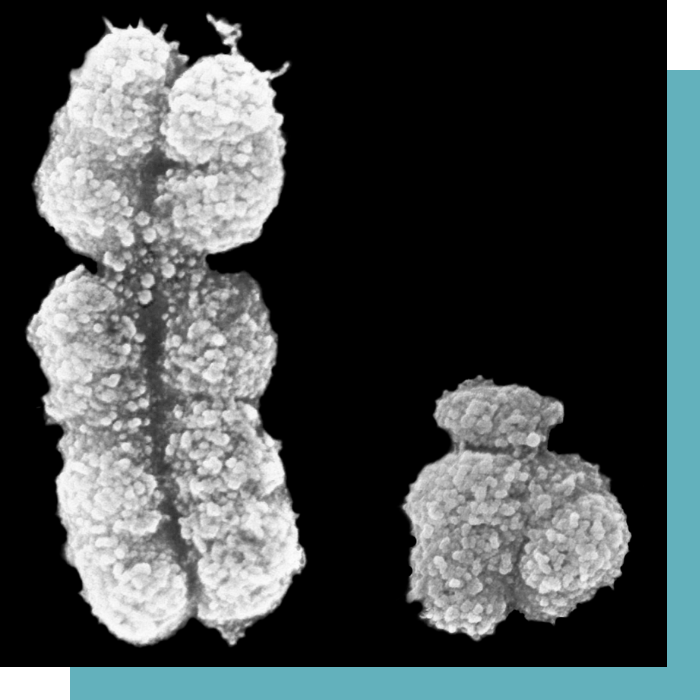
Why immune systems differ by sex — and what it means for health
Scientists at LJI are guiding the development of universal vaccines that could protect against whole families of viruses—including current and future coronavirus variants. These vaccines would prompt infection-fighting T cells to recognize features that many viruses have in common. The team is laying the groundwork for vaccines that remain effective even as viruses evolve. “Our laboratory is collaborating with research groups that are interested in many different viral families,” says LJI Research Assistant Professor Alba Grifoni, Ph.D.
LJI scientists have developed a new approach to provide long-lasting relief for people with asthma—and it may be useful for dampening immune inflammation in general. In a recent study, the scientists show how two therapeutic “cocktails” might give doctors the flexibility to help patients with different forms of allergic asthma. These findings could help shift treatment strategies from managing symptoms to stopping asthma altogether.
To breakthroughs, brighter health, and the future of immunology!
We want to thank you for taking the time to support our research, engaging with the scientific community, and your interest in advancing human health.
Happy New Year!
We use cookies to analyze site traffic and to ensure that we give you the best experience on our website. We do not sell data obtained through the use of cookies. By continuing to use this website, you consent to the use of cookies in accordance with our Privacy Policy.