
LA JOLLA, CA—Your airways and your gut are high-traffic areas for the microbes of the world.
Every time a kid sneezes near you? New microbes in your airways. Every time you eat an unwashed chunk of Cobb salad? New microbes in your gut. Good thing your immune cells can tell friendly microbes from foes.
For more than forty years, La Jolla Institute for Immunology (LJI) Professor Mitchell Kronenberg, Ph.D., has investigated how specialized groups of immune cells step up to fight disease in the body’s vulnerable “barrier tissues.”
Now Kronenberg has been elected Fellow of the American Association of Microbiology, the leading organization for microbial scientists around the world. This honor recognizes Dr. Kronenberg’s breakthroughs in understanding how immune cells fight microbes that cause pneumonia, Lyme disease, intestinal infections, and more.
“Our goal is to make important, fundamental findings about the immune system and ultimately to help people understand diseases and find cures,” says Kronenberg.
Kronenberg’s laboratory focuses on T cells, which are “adaptive” immune cells that target specific pathogens. When you get a flu shot, for example, the body starts making T cells that recognize influenza viruses. These T cells then patrol the body for short chains of amino acids, called peptides, that belong to influenza.
Kronenberg wants to know exactly how T cells do their jobs. Which molecular pathways push T cells into action when they meet an invader? He’s especially interested in unusual T cell subsets—the ones that defy long-standing rules of immunology.
Activating the “natural killers”
In the early 2000s, Kronenberg and his LJI colleagues revealed the inner workings of natural killer T (NKT) cells. NKT cells are unusual because they don’t take the time to adapt to a specific pathogen. Instead of patrolling for peptides, NKT cells recognize tell-tale fat and sugar molecules produced by bacteria.
In fact, the Kronenberg Lab was the first to identify the key molecule from Borrelia burgdorferi bacteria (which causes Lyme disease) that activates an NK T cell response. Kronenberg went on to discover how NKT cells activate and respond to microbes such as Streptococcus pneumoniae, the most common cause of bacterial pneumonia.
This work has important clinical implications for scientists looking to strengthen immune responses and help patients. “Strep pneumonia kills a lot of people, particularly older people,” says Kronenberg. Kronenberg has since discovered how NKT cells activate to stop infections from Yersinia bacteria (relatives of the bacteria that cause bubonic plague) and other microbes.
NKT cells don’t work alone—no immune cells do. Kronenberg’s lab has shown how a signaling molecule called herpes virus entry mediator (HVEM) prompts other immune cells, called innate lymphoid cells (ILC3s), to defend the intestines from Yersinia infection. He has also shown that HVEM also helps the cells lining the intestine communicate with protective T cells.
T cells help save us from microbes. Yet T cell activation can go really, really wrong.
The autoimmune disease connection
T cells are notorious for friendly fire. T cells churn out inflammatory molecules as they battle infections, and all that inflammation can harm healthy cells nearby.
“These molecules help T cells talk to each other and clear a bacterial infection,” says Kronenberg. “But if the signal comes on too strongly, it can create chronic inflammation.”
Some patients who initially recover from Lyme disease, for example, develop chronic joint pain known as “post-infectious Lyme arthritis.” And far too often, inflammatory T cells start attacking a person’s own tissues, causing autoimmune disease. Around 15 million people in the United States have been diagnosed with an autoimmune disease, according to a recent Mayo Clinic study.
Kronenberg has investigated how we might help people recover from harmful inflammation. His research offers hope for patients with a wide range of inflammatory diseases, especially inflammatory bowel disease.
Kronenberg’s research in mouse models suggests that we might manipulate HVEM to stop overactive T cells from damaging the gut. And he’s identified another promising target: MAIT cells.
Study by study, Kronenberg has been introducing the world to mucosal-associated invariant T (MAIT) cells. These specialized T cells are—you guessed it—rule breakers. Like NKT cells, MAIT cells can respond quickly to pathogens because they don’t need to “adapt” to recognize specific bacterial peptides. Instead, MAIT cells target infections by sensing microbial molecules called metabolites.
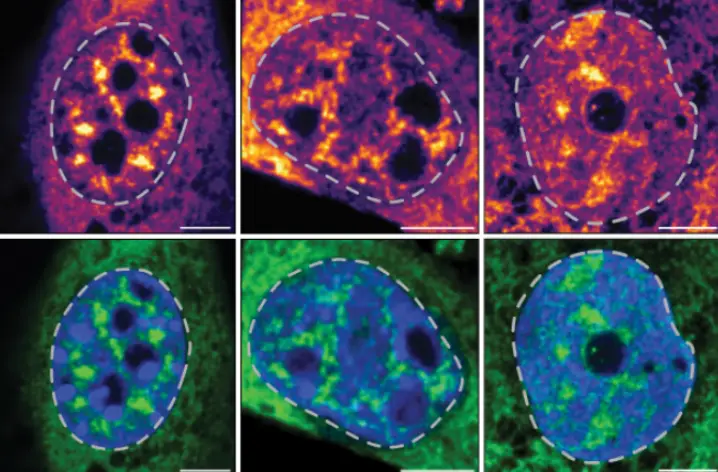
Kronenberg and his colleagues recently discovered that metabolic cues regulate two distinct “flavors” of MAIT cells. One is an antiviral subtype fueled by sugar and the other is an antibacterial subtype fueled by fat. The findings may now inspire novel vaccines and cell therapies that shift the balance between these two cell groups to help people fight specific pathogens.
If scientists can boost MAIT cell function, there’s a good chance they can also dial it back. Kronenberg’s research suggests that reducing MAIT cell numbers may help reduce the levels of an inflammatory molecule called IL-17.
Kronenberg has shown that the world of immune cells is much more complex than anyone imagined, and he’s eager to see how his insights from mouse models translate to human patients, an increasing focus of his work.
He credits his lab members for keeping this work moving forward. “I want to express my gratitude,” says Kronenberg. “I’ve relied on very talented people over many years, so I’m standing on their shoulders.”
Kronenberg is one of five AAM fellows at LJI. His colleagues Anjana Rao, Ph.D., Erica Ollmann Saphire, Ph.D., MBA, Alessandro Sette, Dr.Biol.Sci., and Shane Crotty, Ph.D., have also been elected to the academy for their groundbreaking research into how the immune system combats viruses and other threats. “I’m honored to be in their company,” says Kronenberg.