Clinical research volunteers are crucial partners in the quest for knowledge that will improve the health of future generations. As a non-profit research organization, we rely on our entire community to help us gain a better understanding of the immune system by contributing to groundbreaking research.
Gina Levi
Clinical Studies Core Director
How can you help?
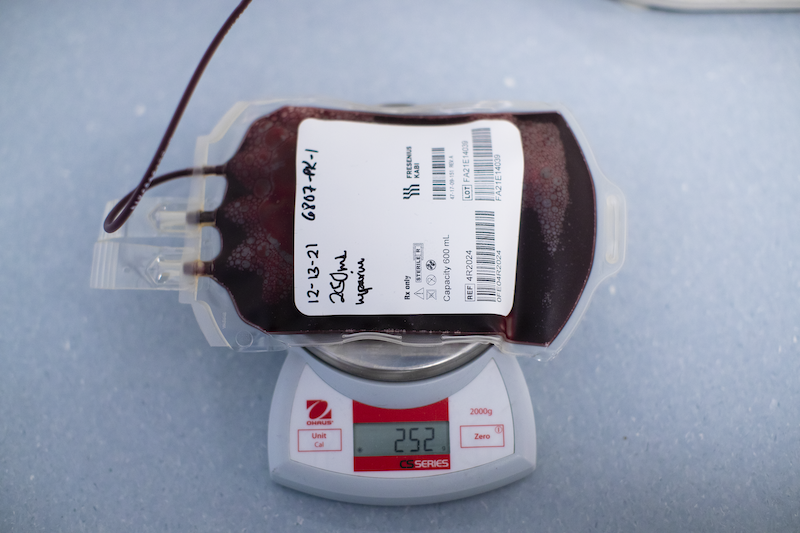
We have a number of ongoing clinical research programs for which we are recruiting volunteers. Qualified participants will be asked to provide a routine blood donation(s) that is performed by a certified and licensed phlebotomist here at the John and Susan Major Center for Clinical Investigation at La Jolla Institute. All volunteers are compensated for their time and effort.
What can you expect?
After you have signed up, a Clinical Coordinator will call you and ask you a number of questions to determine whether you are eligible to participate in one of our research studies. We may also request proof of vaccination and/or information about your medical history.
If you are eligible for one of our studies, you may be scheduled for an initial appointment at the John and Susan Major Center for Clinical Investigation at LJI, where we will explain the study to you and get your informed consent for participation. There are no costs associated with your participation and in fact, eligible participants will receive compensation for their participation and time.
Active Studies
Allergy Studies
Allergies result from your immune system overreacting to foreign substances, referred to as allergens. Reactions typically include coughing, sneezing, itchy eyes, a runny nose and a scratchy throat. T cells, a type of immune cell, play a central role in the human immune response to allergens. Detailed knowledge regarding specific allergen triggers that are recognized by T cells is currently limited.
The purpose of this study is to find out more about how these immune cells circulating in the blood and in the nose react to allergens in the air and in certain foods we eat. The information may be used to improve therapies for allergy sufferers. Individuals who have a history of allergy as well as non-allergic control subjects will be studied.
Participants will be compensated for time and effort.
Eligibility Criteria:
Generally healthy men and women, 18 years of age and older.
History of allergy.
COVID-19
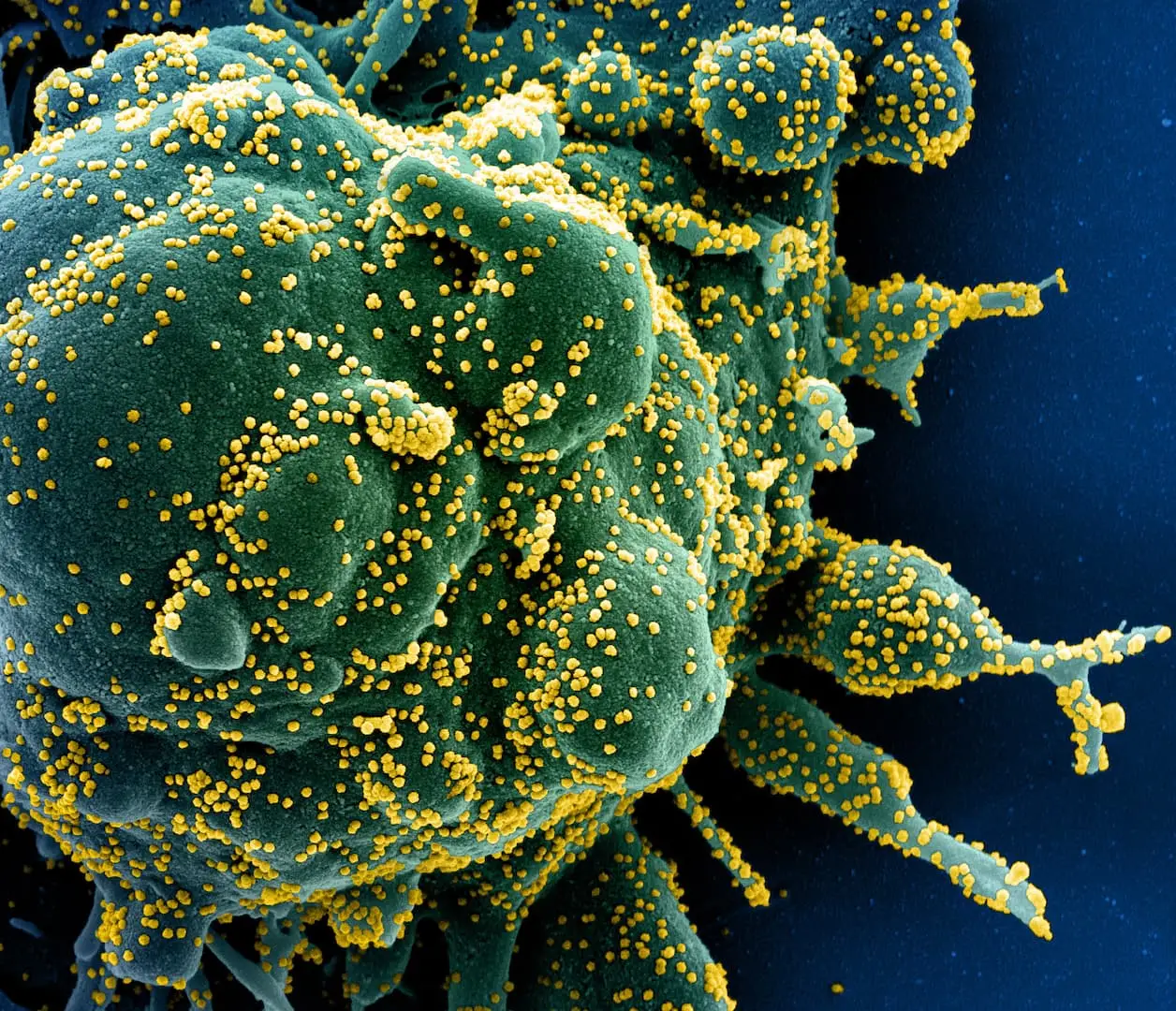
Coronavirus is a respiratory virus that commonly causes cold- and flu-like symptoms. It is present throughout the world, though outbreaks of new strains have occurred in the recent past. Since late 2019, a new strain has been identified as part of an outbreak in Hubei Province, China (“2019-novel coronavirus” or “SARS-CoV-2”).
As more and more people become infected with this new strain of the virus, it is important to understand as much as we can about how this strain of the virus affects the human immune system. We plan to look at the T and B cell immune response in patients with symptoms and history of COVID-19 disease as well as in healthy controls.
Eligibility Criteria (one or more):
You are a generally healthy male or female, over 18 years of age.
You have had a positive test for COVID-19.
You have been vaccinated for COVID-19
You have had a “breakthrough” infection of COVID-19 after being vaccinated
Vaccine Studies (TDaP)
Vaccines function by promoting immune responses to infectious agents and thereby prevent illness associated with natural infection. An effective vaccine boosts your natural immune system (generating B and T memory cells), which in most cases provides life-long immunity to infection. The necessity to understand the function and interaction of these immune cell types is central to understanding how to improve vaccines and make them more effective.
The purpose of this study is to identify the characteristics of effective vaccine responses by studying the immune cells in individuals who receive vaccinations against a variety of infectious agents at various time points. Volunteers who have previous history of exposure to various infections may also be enrolled as controls. Participants will be compensated for time and effort.
Eligibility Criteria:
Generally healthy men and women, 18 years of age and older.
Medical record of vaccination and/or previously diagnosed infection.
Healthy Donors
La Jolla Institute for Immunology’s in-house Normal Blood Donor Program (NBDP) is a valuable resource of human blood for use in various research projects. Often, healthy donors are needed for comparison purposes in many studies that focus on disease processes.
The purpose of the NBDP at La Jolla Institute is to provide researchers with a consistent supply of healthy control donors to compare to their disease models. Participants for the NBDP will be alerted when the opportunity to donated blood is available each week and given the option to sign-up for specific blood donations. Participants will be compensated for time and effort.
Eligibility Criteria:
Generally healthy men and women, 18 years of age and older.
No history of Autoimmune disease, cancer, HIV or hepatitis B or C.
Other Ongoing Studies
La Jolla Institute – Institutional Review Board Approved for use until: 02/18/2028 Protocol # : VD-128-0225 A1
The La Jolla Institute often has other studies, not listed above, that are enrolling. If you have heard of a study or seen a flyer or ad, you may be eligible to join.
Eligibility Criteria:
18 years of age and older.
Will vary with every study
Sign Up
If you are interested in donating blood to one of our research studies, please sign up below and our clinical coordinator will contact you to determine whether you are eligible to participate.
If you are having trouble filling out this form, you may email donors@lji.org or call and leave a message at (858) 255-0680, and a coordinator will get back to you.
LJI researchers are exploring the effects of hormonal contraceptives on immune responses—and the immune system's role in endometriosis. They're hearing from women along the way.
LA JOLLA, CA—New research from scientists at La Jolla Institute for Immunology (LJI) suggests people who received COVID-19 vaccines and then experienced “breakthrough” infections are especially well armed against future SARS-CoV-2 infections.
We use cookies to analyze site traffic and to ensure that we give you the best experience on our website. We do not sell data obtained through the use of cookies. By continuing to use this website, you consent to the use of cookies in accordance with our Privacy Policy.