My laboratory studies the strategies that viruses use to escape detection by our immune system. These strategies facilitate viral replication, and in some cases help them establish lifelong infections that we can never clear. We are intrigued by virus-employed tricks that target members of the tumor necrosis factor (TNF) family, as these proteins released by our immune cells are fundamentally important in fighting infection. We also have a particular interest in cytomegalovirus (CMV), which is a member of the herpesvirus family similar to ‘mono’ (Epstein-Barr) and the chicken pox/shingles (Varicella Zoster) viruses. CMV encodes one of the largest known viral genomes (~230,000 base pairs), and more than half of it is dedicated to throwing up smoke screens that fool our immune systems, including many that block the TNFs. We believe that studying the unique CMV strategies that allow it to evade detection by our immune system facilitates fundamental new discoveries about our health. In addition, our lab is focused on finding new ways to combat the diseases that CMV can cause in certain settings. CMV is the No. 1 infectious cause of birth defects in the U.S. today, causing severe disease if immunity is naïve or compromised (e.g. infection of babies in the womb and transplant patients), and we are developing new vaccine strategies to combat this. If you have a healthy immune system, CMV infection is largely benign. However, like the chicken pox that can reemerge 50 years later to cause shingles, CMV ‘hides’ in your body for life and can pop-out again when your immune system is weakened or older. Consequently, CMV is a likely contributor to auto-inflammatory disorders such as vascular disease and immune senescence, and may even contribute to some cancers.
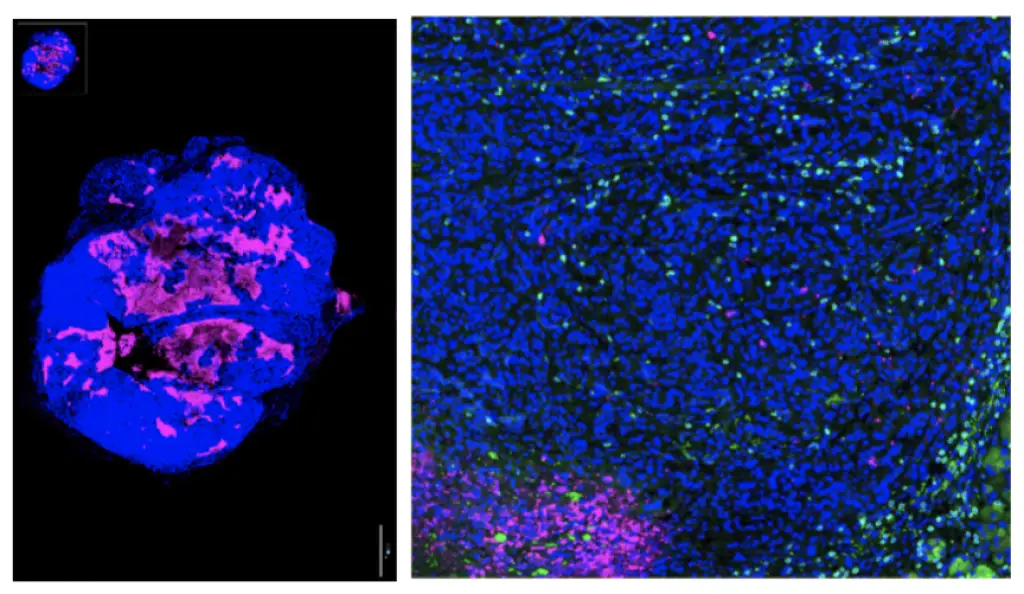
One of our recent discoveries, a new protein complex called GATE which helps CMV gain entry into certain cells, but also functions inside infected cell to thwart our immune defenses. GATE is the first new entry complex discovered in CMV in >20 years, and could aid in the development of a CMV vaccine. Finally, CMV has an enormous impact on our immune systems, despite not making us sick if our immunity is intact. One of these is to usurp > 10% of our circulating T cells, the highest number known for any virus. We have recently shown that this huge number of T cells recognizing CMV can be repurposed to fight pancreatic cancer, and since 50% or more of us are infected with this beta-herpesvirus its high prevalence is likely amenable to an off-the-shelf anti-cancer therapy.