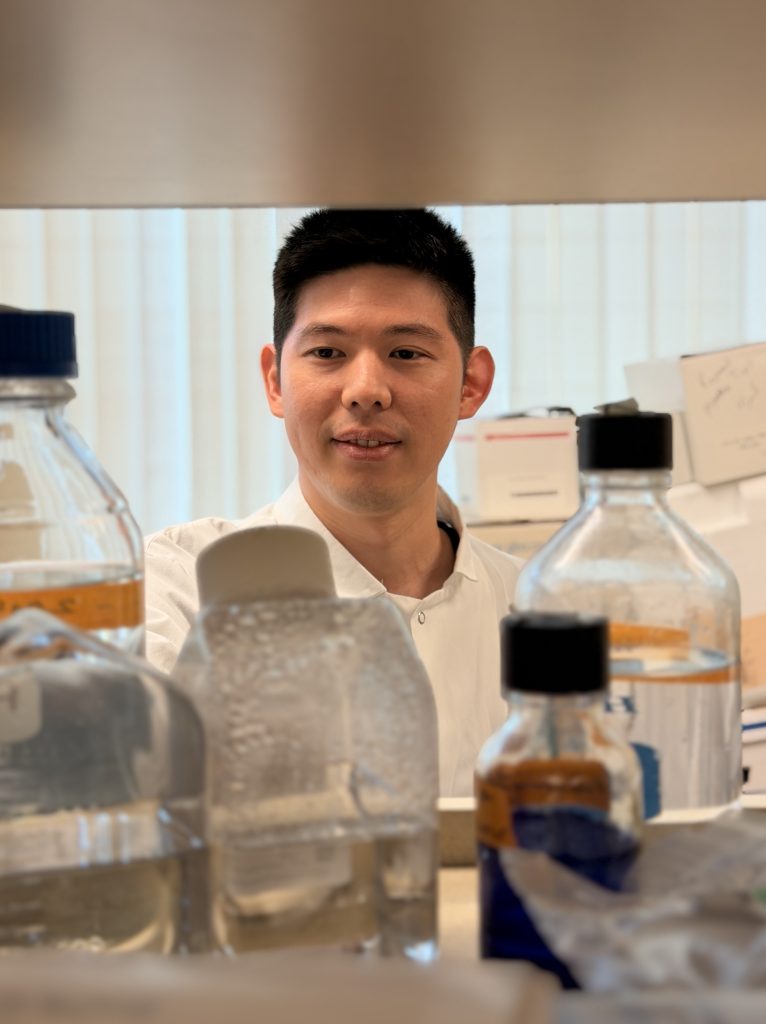
LA JOLLA, CA—Postdoctoral Fellow Yi-Tsang Lee, Ph.D., of the Hogan Lab at La Jolla Institute for Immunology (LJI), will receive the Cancer Research Institute’s prestigious Irvington Postdoctoral Fellowship. This three-year, $243,000 fellowship will fund innovative new research to improve cancer immunotherapies.
“This fellowship is an incredible honor,” says Lee. “My goal with this project is to improve immunotherapy efficiency in solid tumors.”
Cancer immunotherapies harness some of the body’s best fighters, called CD8+ T cells, to kill tumor cells. Unfortunately, when T cells enter a tumor, they can develop a problem called T cell “exhaustion” and stop working.
“To destroy a tumor, you need immune cells to keep fighting tumors relentlessly,” says Lee. “T cells are important because they can enter tumors. The challenge is that when T cells receive constant stimulation from tumor cells, they can become exhausted.”
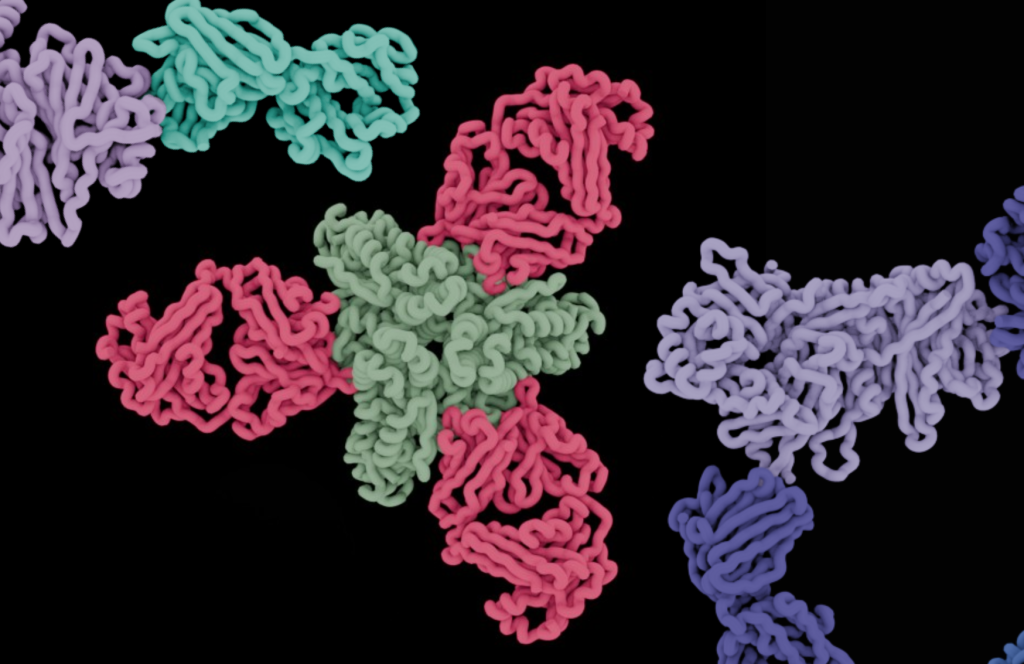
Lee wants to help scientists counteract T cell exhaustion. His new project will focus on NFAT, a protein that directs how T cells do their jobs.
NFAT is a transcription factor, which means it controls gene expression in cells. NFAT is especially important during the process of T cell activation, when the cell is gearing up to fight a threat.
But there’s another side to NFAT. In previous studies, LJI Professor Patrick Hogan, Ph.D., and LJI Professor Anjana Rao, Ph.D., have shown that NFAT appears to also cause T cell exhaustion when it interacts with certain other cellular proteins.
Lee aims to develop a new tool — an advance in a method called ChIP-seq — to learn more about how NFAT engages these partner proteins. This new tool may help reveal where the complexes formed by NFAT and other proteins bind on the genome and how they drive T-cell exhaustion.
Uncovering these key molecular details could lead to therapies to help counteract T cell exhaustion. Lee also emphasizes the importance of zooming in to transcription factors to understand the molecular mechanisms behind many other diseases. “We can make improvements to ChIP-seq to look at specific transcription factors complexes,” says Lee.
The CRI Irvington Postdoctoral Fellowship Program is one of the most prestigious opportunities available for immunologists and cancer researchers. Through the program, early career scientists receive resources, mentorship, and professional development to help launch their careers as independent researchers. In 2024, LJI Postdoctoral Fellow Rachel Helms, Ph.D., won the fellowship to support her cutting-edge research in the Rao Lab.