
LA JOLLA, CA—Immune system scientists and computational biologists are developing a new tool to investigate how the body fights disease. With this new resource, called ImmGenMaps, researchers are building a map of all major organs—and tracking how all types of immune cells keep those organs healthy.
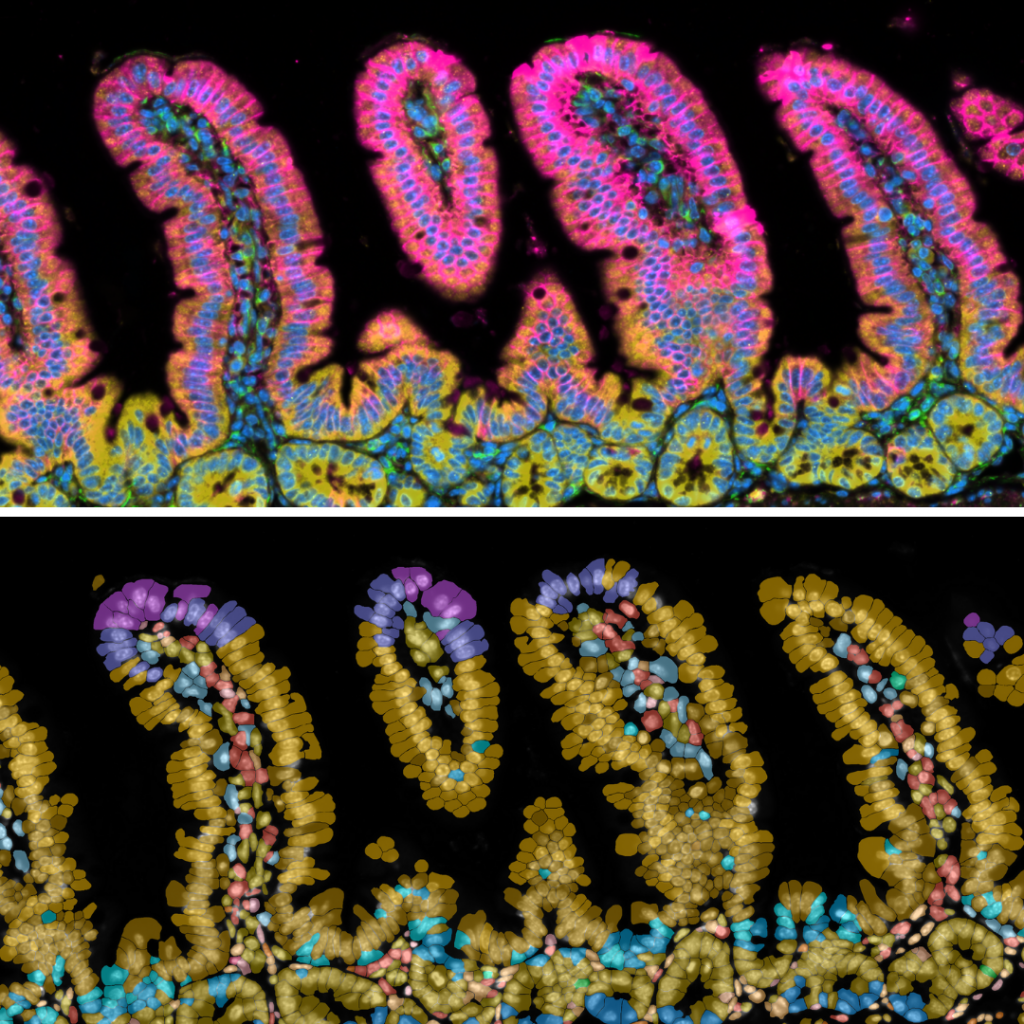
ImmGenMaps aims to show the body in a new light by gathering mouse model data captured through spatial gene expression profiling and detailed protein marker analysis. With this “spatial transcriptomics” approach, scientists can track the whereabouts of individual immune cells in response to infections, cancer, autoimmune disease, and more.
“Maps are essential for exploration of new territories, including aspects of our own anatomy,” says Miguel Reina-Campos, Ph.D., Assistant Professor at La Jolla Institute for Immunology (LJI). “We need detailed maps to study what happens when diseases strike in different organs, such as the kidneys, liver, brain, or lungs.”
The Immunological Genome Project (ImmGen) was founded and supported by the National Institute of Health’s National Institute for Allergy and Infectious Diseases (NIAID) and includes leading researchers from immunology and computational biology labs around the globe. Through this collaboration, researchers shed light on critical facets of the immune system, such as little-known immune cell subtypes and regulatory networks, and share their work through the free, public ImmGen database, which has become a standard reference tool for immunologists.
Reina-Campos is working closely with ImmGen collaborators, including Sami Farhi, Ph.D., Director of the Spatial Technology Platform at the Broad Institute, Christophe Benoist, , Professor of Immunology at Harvard Medical School who leads the ImmGen consortium, and a dozen of other ImmGen member labs to develop ImmGenMaps. The team shared their project goals in a recent article for Nature Immunology.
As Reina-Campos explains, researchers have made breakthroughs in profiling immune cells and understanding what weapons cells use to fight disease. Now, scientists have the tools to map the actual battleground—the body—to see how gene expression changes as immune cells move through tissues and encounter other cells and health threats.
“We believe ImmGenMaps will be fundamental not only for immunologists, but for any other researcher who wants to know more about how the immune system is interconnected with cells from other tissues,” says Reina-Campos. “I think this is going to be a very useful resource for people worldwide.”