Researchers at La Jolla Institute for Immunology (LJI) are investigating how CHIKV infects cells and how the immune system responds to a CHIKV attack.
LJI Professor Sujan Shresta, Ph.D., is investigating CHIV as part of the National Institute for Allergy and Infectious Diseases’ (NIAID) Flavivirus and Alphavirus ReVAMPP (FLARE) program. Her laboratory is working with scientists nationwide to test experimental vaccine strategies against deadly viruses from the flavivirus and alphavirus families, including CHIV.
LJI Research Assistant Professor Daniela Weiskopf, Ph.D., and LJI Professor Alessandro Sette, Dr.Biol.Sci., are investigating how the immune system’s T cells recognize and target CHIKV. Their goal is to uncover which sites on the virus, called “epitopes,” prompt a strong response from human T cells. Dr. Weiskopf is also working with patient samples from a 2014-2015 CHIKV outbreak in Colombia to learn more about T cell activity in people who were diagnosed with the disease. This research is a key step in developing vaccines that trigger a protective T cell response.
In 2025, Dr. Weiskopf published a first look at how T cells defend the body from a mosquito-borne virus called Chikungunya. Her lab discovered that CD4+ T cells step up to fight the virus—and cause chronic inflammation in the process. This discovery may help explain why some people infected with Chikungunya virus develop severe joint pain. In a follow-up study, Dr. Weiskopf discovered which parts of Chikungunya virus trigger the strongest responses from the body’s T cells.
LJI Research Assistant Professor Alba Grifoni is also investigating CHIV as part of a CEPI-funded effort to boost pandemic preparedness. Dr. Grifoni’s laboratory is harnessing a bioinformatics approach to uncover how T cells recognize and target CHIV epitopes.
A critical tool in this CHIKV research is the Immune Epitope Database (IEBD), home of expertly curated data and cutting-edge tools to analyze how the immune system recognizes and responds infectious agents and allergens. The IEDB is directed by Dr. Sette and LJI Professor Bjoern Peters, Ph.D. Scientists around the world have submitted their data on CHIKV infections and immune responses to the IEDB.
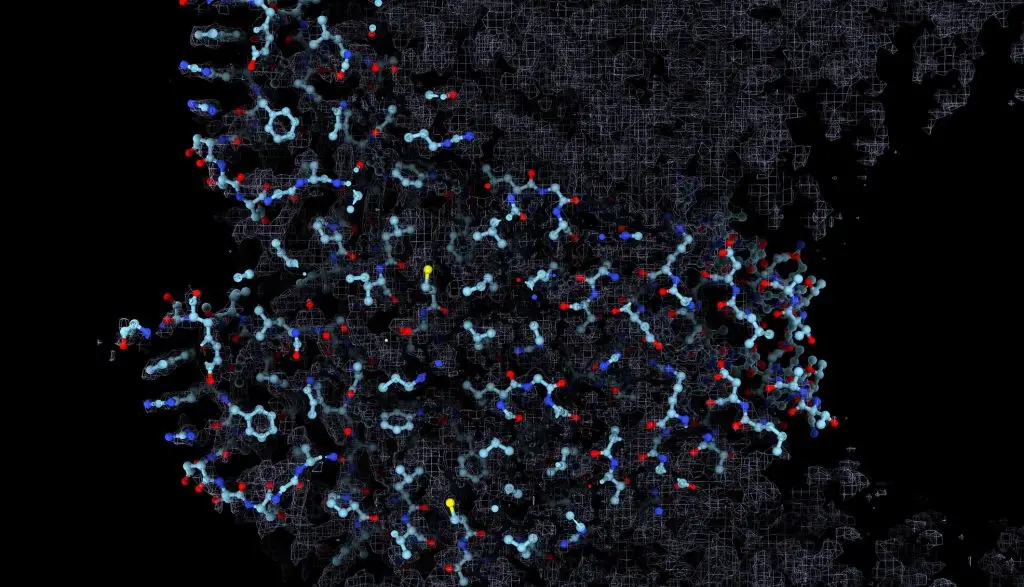
LJI Professor, President, and CEO Erica Ollmann Saphire, Ph.D., MBA, is investigating how human antibodies target viruses such an CHIKV and related alphaviruses. Her laboratory uses high-resolution imaging techniques such as cryo-electron microscopy to map viral structures and uncover where viruses are vulnerable to neutralizing antibodies.
Sex-based differences in Chikungunya responses
LJI scientists are investigating why Chikungunya is more likely to lead to chronic, arthritis-like joint pain in older women, compared with men.
A recent study led by Dr. Weiskopf showed that patients with this joint pain mount a T cell response that closely resembles the autoimmune T cell response found in people with rheumatoid arthritis. This finding is interesting because rheumatoid arthritis is also much more common in women compared with men.
This research opens the door to better understanding sex-based differences in the immune system and how some infectious diseases trigger autoimmune activity.